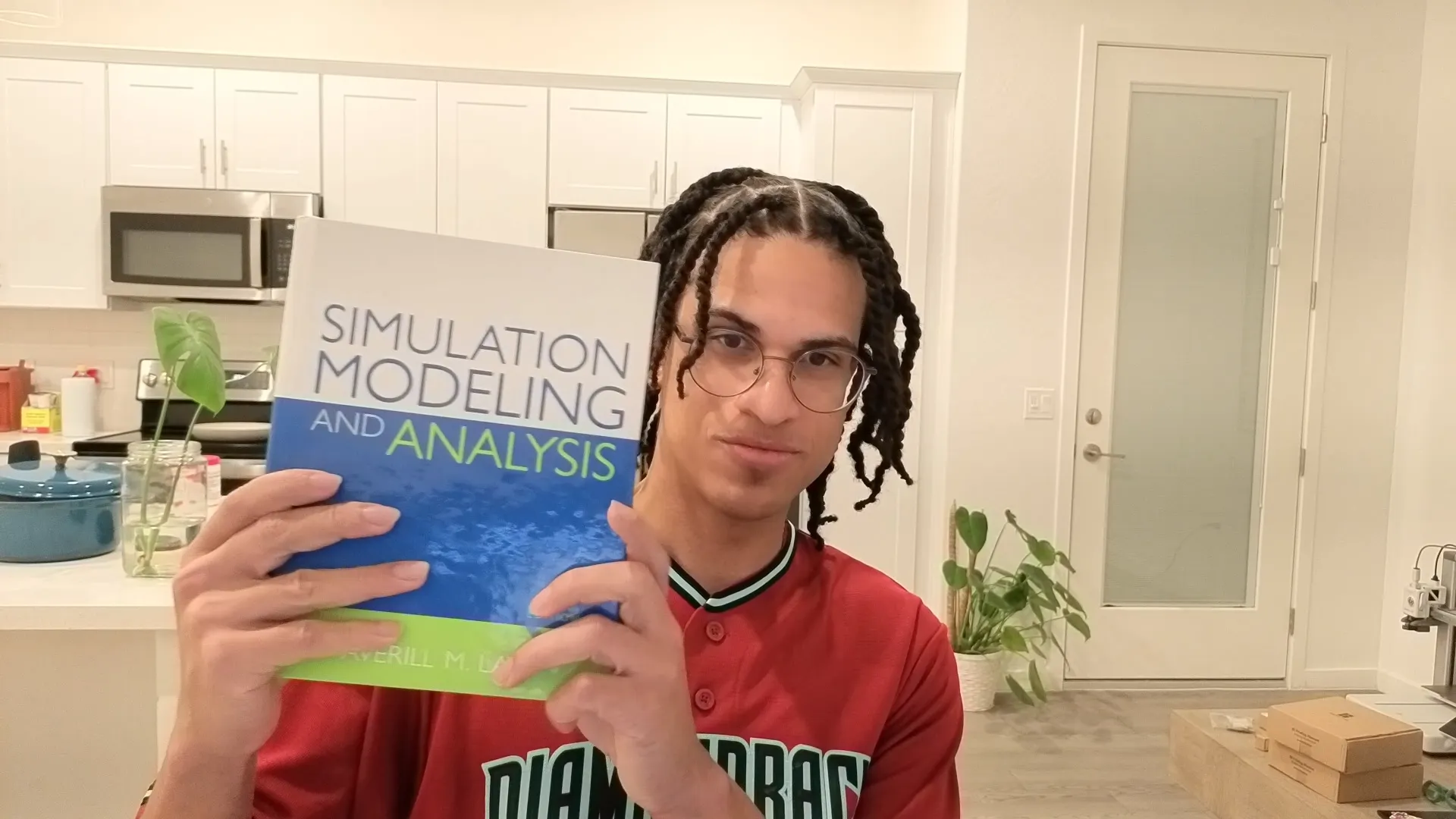
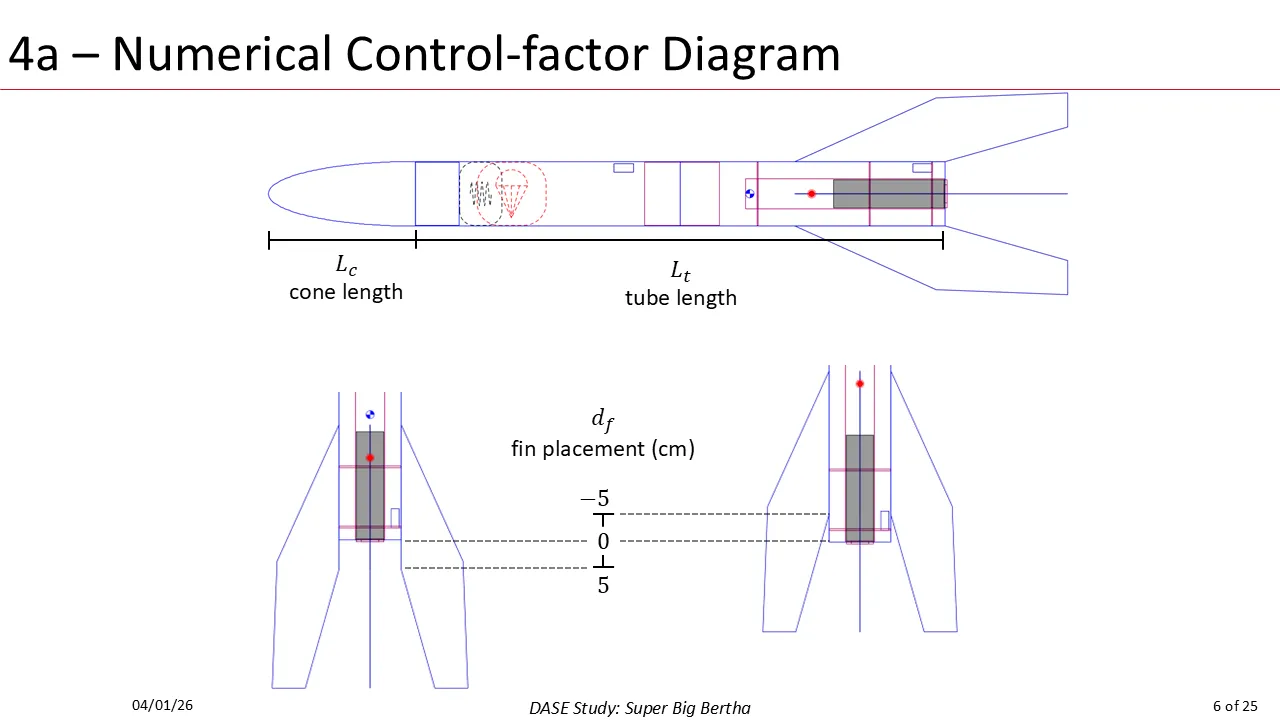
As part of a course on the Design and Analysis of Simulation Experiments, I worked with a team of peers to study the apogee performance of the Estes Super Big Bertha rocket under different design configurations. The variables we explored included the length of the body tube and nose cone, the shape of the cone, and the number and placement of the fins.
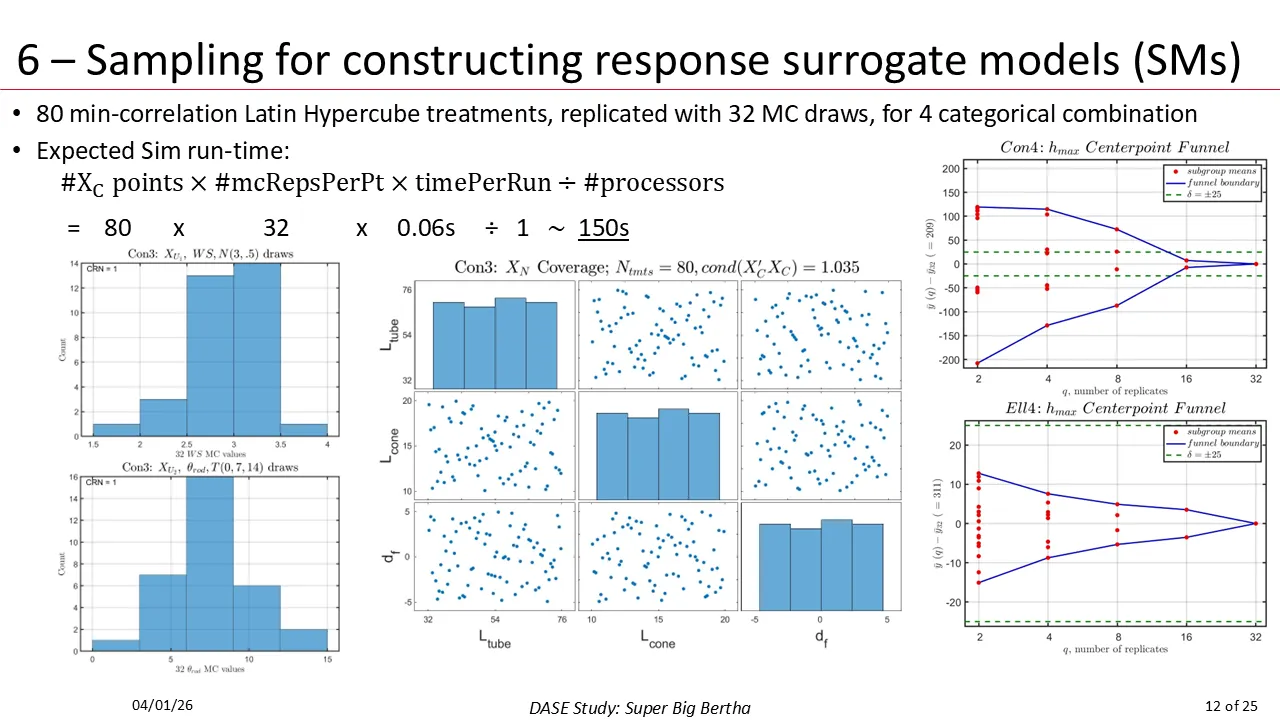
After defining our factor space, we used Latin Hypercube Sampling (LHS) to efficiently populate the design space and generate simulation design points. We then developed a Java wrapper application around OpenRocket to automatically feed the design points into the simulation and collect the responses.
Through our analysis, we identified several interesting interactions between rocket length and fin displacement, in addition to confirming the expected relationship between lower mass and increased apogee under the same thrust conditions. As part of the project, we also constructed surrogate models from the simulation data to approximate rocket performance across the explored design space.
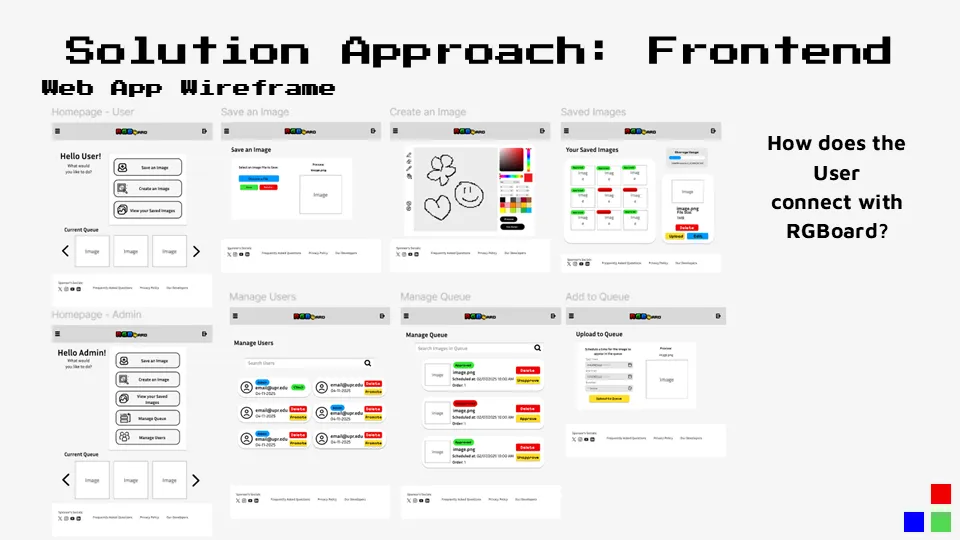
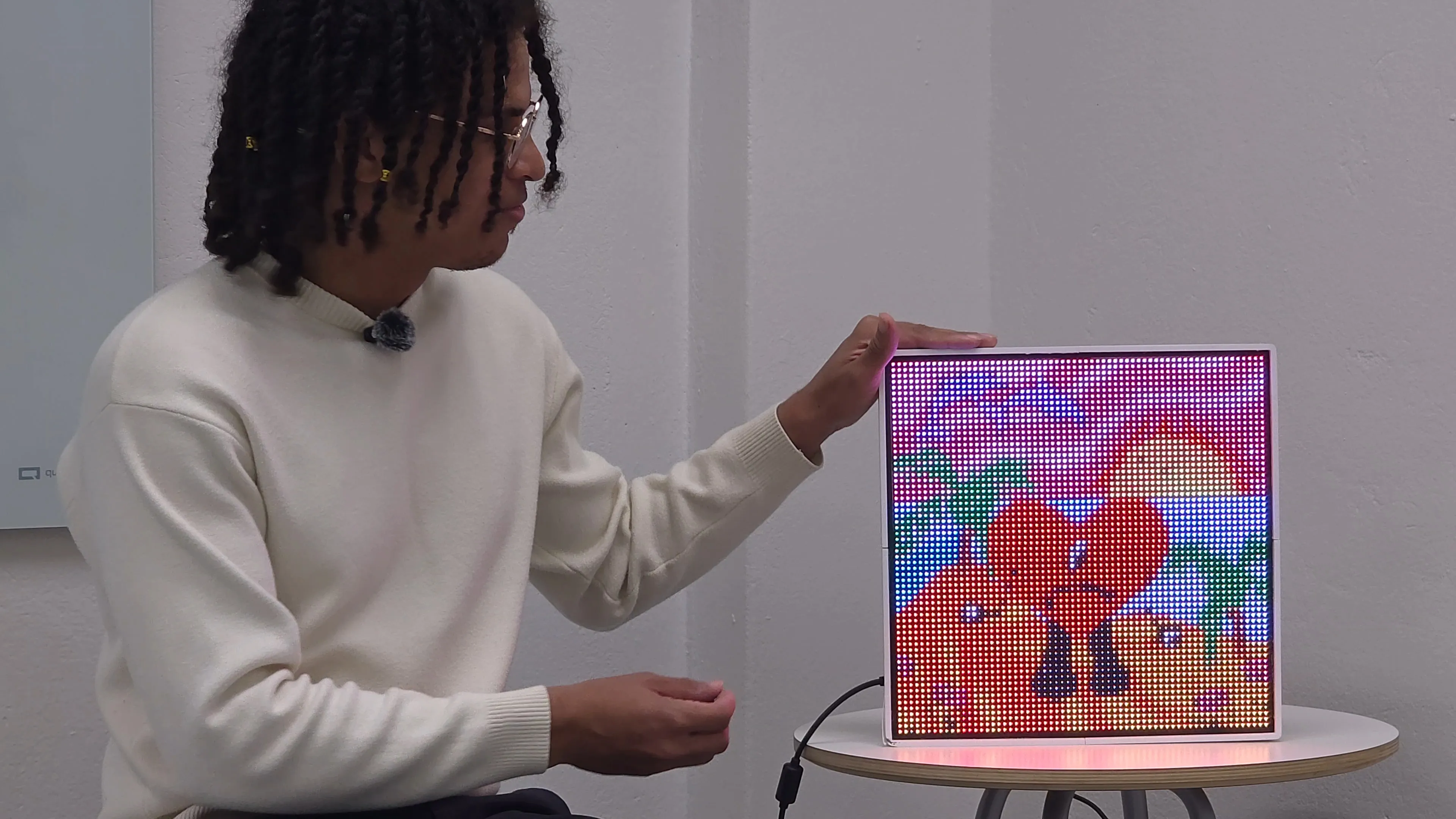
For my capstone project, my team and I designed and deployed a scalable, mobile LED matrix billboard system intended for user-generated advertisements and announcements.
The system was built using a Raspberry Pi, multiple LED matrix panels, and a 12V power supply. We developed and deployed a full-stack web application directly on the device, allowing users to submit and queue advertisements while moderators could review content and enforce platform policies.
This project combined embedded systems, networking, web development, and systems integration into a single portable platform capable of operating as a self-contained digital billboard.